Author name: Prospects Hive

Content Partnership Specialist

Automation, CRM, Go-To-Market, Outbound Tips and Basics

The BFCM Sales Ops Checklist: Automations Every Team Should Set Up Before the Holiday Rush

Black Friday and Cyber Monday are no longer just B2C moments anymore: they’re high-velocity weeks for B2B teams, too.  Your prospects are online, their inboxes are buzzing, LinkedIn becomes more active than usual, and decision-makers are eager than ever to close budgets before the year ends. But here’s the catch: Most sales teams enter the BFCM period with clogged CRMs, inconsistent follow-ups, and cold outreach systems that aren’t holiday-proof. If you want to turn this season into a sales engine rather than a scramble, you need your operations tight, automated, and optimized. This checklist gives you the exact tactical automations every B2B team should set up before BFCM; and how Prospects Hive can help you build a scalable, low-touch sales ops system that survives holiday chaos. 1. Clean Up & Standardize Your CRM Before Anything Else You cannot automate chaos. Before launching any seasonal campaigns, ensure your CRM isn’t holding messy data, duplicate contacts, outdated tags, and dead deals. Your BFCM CRM Cleanup Checklist: ✓ Remove duplicates and merge fragmented contact records. ✓ Standardize fields like industry, title, lead status, lifecycle stage. ✓ Reassign stalled deals to the right owner. ✓ Delete bounced, unsubscribed, or invalid emails. ✓ Refresh company info with enriched, verified data. ✓ Archive old sequences and workflows that may conflict with new ones. Why does this matter? Holiday-week engagement spikes, and your CRM becomes your battlefield. A clean CRM ensures your outreach is accurate, your routing works, and your analytics don’t lie. How Prospects Hive helps Our CRM optimization service rebuilds workflows, cleans data, syncs multiple sources, enriches contacts, and ensures your HubSpot/Attio/Zoho instance is BFCM-ready- with zero manual effort. 2. Warm Up Your Sending Domains Before Sending a Single Holiday Email During Black Friday week, even legitimate emails get stuck in spam. Everyone is sending more emails than usual, including your competitors. Domain Warmup Checklist: ✓ Slowly increase daily email volume weeks before BFCM. ✓ Set up SPF, DKIM, and DMARC correctly. ✓ Use multiple domains/subdomains for cold outreach. ✓ Run a warmup tool to improve sender reputation.  ✓ Spread outreach across different mailboxes to avoid throttling.  Why does this matter? If your emails don’t land in the inbox, nothing else matters. And for that, your domain health must be perfect. Prospects Hive advantage In the last 3 years, we have- Sent 2M+ outbound emails over the last three years. Maintained top-tier deliverability across all campaigns. Ensured healthy sender reputations for every domain. Achieved consistent inbox placement with minimal spam leakage. We manage domain tracking, warming, and deliverability prep as part of their outreach optimization, ensuring your emails land where they’re supposed to.  3. Build Automated Follow-Up Sequences (So No Lead Slips Away While You’re Off the Work!) During BFCM, prospects open emails, click offers, and interact but may respond hours or days later. Your team might be offline. Which is why automated follow-up is a must have! Follow-Up Automations to Set Up: ✓ Multi-touch email sequences (7–12 steps). ✓ Automated LinkedIn follow-ups after connection requests. ✓ Behavioral triggers (opens, clicks, replies). ✓ Auto-reminders for SDRs when a hot lead engages. ✓ Automated meeting-booking flows with calendar links. ✓ Lead reactivation sequences for inactive contacts. Why does this matter? Holiday attention spans are short. If you’re slow, someone else books the meeting. Prospects Hive advantage We curate outreach flows that highly convert using: Email + LinkedIn automation. A/B testing to optimize messaging. Real-time optimization for maximum engagement. Lead nurturing sequences to keep prospects engaged until they’re ready to convert. This way, you can get consistent engagement even when your team is out of office. 4. Set Up AI-Driven Lead Scoring to Prioritize High-Intent Prospects BFCM brings in tons of activity BUT not all activity means interest. AI Lead Scoring Checklist: ✓ Score based on behaviors (opens, clicks, page visits). ✓ Score based on firmographics (industry, size, title). ✓ Apply intent signals like buying stage or competitor research. ✓ Auto-classify leads into hot, warm, cold. ✓ Auto-route hot leads to the right rep instantly. ✓ Trigger personalized outreach for top scorers. Why does this matter? Your reps shouldn’t waste time during high-traffic weeks. AI scoring ensures your team focuses on decision-ready prospects. Prospects Hive advantage Our AI-powered enrichment and scoring models help teams categorize prospects, automate priority routing, and accelerate conversations during peak demand. 5. Automate Pipeline Routing to Keep Deals Moving During the Holiday Delays Teams travel. Reps go home. People take leave. Deals end up stalling. Unless you automate routing. Pipeline Automation Checklist: ✓ Auto-assign new leads by region, industry, or rep availability. ✓ Create auto-advance rules (open → engaged → qualified).  ✓ Trigger tasks when deals get stuck too long. ✓ Auto-notify managers about stalled opportunities. ✓ Auto-send check-in messages to prospects sitting in the pipeline. ✓ Automatically close lost deals when inactive beyond X days.  Why does this matter? Without routing automation, your pipeline freezes and January starts slow. Prospects Hive advantage Our CRM + outreach automation ensures every new lead flows into the right place and every stalled deal gets the next action without manual workload. 6. Refresh Your Holiday Messaging & Sequences Your normal sales copy won’t work during BFCM. This week demands urgency, relevance, and hyper-personalization. Holiday Messaging Checklist: ✓ Update intros to reference holiday timing. ✓ Add scarcity-driven CTAs (limited spots, year-end budgets, etc.). ✓ Personalize with AI-enriched insights. ✓ Shorten messages as attention is the lowest during holidays. ✓ Build 2–3 variations for A/B testing. ✓ Update your LinkedIn messaging scripts. Why does this matter? Everyone’s inbox is swamped, and only fresh, relevant messages cut through. Prospects Hive advantage Our outbound playbooks and dynamic AI personalization help craft sequences that don’t sound robotic, and convert even during noisy periods. 7. Run a Deliverability Check Before Campaign Launch This is your last step before you hit “Send.” Deliverability Audit Checklist: ✓ Test inbox placement across major providers (Gmail, Outlook, Yahoo). ✓ Verify spam-filter checks and bounce rates. ✓ Validate all email addresses in your sending list. ✓
Automation, Go-To-Market, Outbound Tips and Basics

How SaaS Companies Can Scale Faster by Combining ABM and Allbound Marketing

Still wondering why the pipeline feels flat despite having a great SaaS product and a flawlessly mapped out ideal customer profile? Your SDRs are chasing outbound while the  marketing team is curating and pushing ads. The revenue generating opportunities nonetheless, remain utterly deflated. Guess what, you’re not alone. Most SaaS teams show the tendency to treat ABM (Account-Based Marketing) and outbound as two distinct plays, in which marketing is tasked with only building target lists while it’s the sales pursuing the cold leads. This is where the problem lies.You’re running parallel engines without a unified motion. The modern rapidly growing SaaS companies don’t make a choice between ABM and outbound. What they do is merge ABM’s precision targeting with Allbound’s execution power! In this blog, stick around to understand how combining ABM and Allbound into one scalable system can be powered by real-time signals, automation, and team alignment. We’ll also disseminate vital tools and workflows (like Clay + Lemlist +  Attio+ Make) to get you all set to start from this week. The Problem: Why SaaS GTM Gets Stuck Most SaaS teams hit a predictable wall after their first growth sprint known as the “pipeline plateau.” Here’s why it happens: Outbound and inbound live in silos. SDRs chase cold lists while marketing pushes inbound campaigns that don’t reach decision-makers. ABM becomes a list-building theatre. Teams build “target account lists” but fail to engage them meaningfully. Outbound lacks signal and timing. Cold messages go out without context like funding updates, hires, and tech shifts are ignored. No feedback loop. CRM data isn’t synced across sales and marketing tools, so learnings stay locked in silos. The result? Leads slip through the cracks. Sales and marketing misalign. Pipeline velocity drops and your GTM feels reactive instead of strategic. To break that cycle, SaaS teams are now blending ABM with Allbound marketing, a full-funnel system that unites outbound precision, inbound demand, and partner signals into one coordinated play. Understanding the Difference: ABM vs Allbound Approach ABM Allbound Goal Identify and engage high-value accounts Activate every buying signal across inbound, outbound, and partners Focus Precision targeting Multi-channel execution Core Team Marketing + Sales alignment Marketing + Sales + Partnerships Weakness Alone Slow to scale, heavy setup Fast but noisy and scattered When Combined Signal-driven, coordinated, scalable growth Think of it like this: ABM is your compass — it tells you which accounts matter most. Allbound is your engine — it executes personalized engagement across every channel. Together, they create a motion where every touchpoint (email, LinkedIn, ad, or webinar) is synchronized around the same target accounts driven by data, not guesswork. The 5-Step Framework for SaaS ABM + Allbound Let’s turn theory into action. Here’s a 5-step framework you can use to merge ABM and Allbound into one revenue engine. Step 1: Identify High-Intent Accounts Start with precision. Use enrichment tools like Clay or Apollo to build your base list using firmographics (industry, size, location) and technographics (what tools they use). Then layer in real-time buying signals such as: Recent funding rounds Job postings for relevant roles Tech stack changes News mentions Pro Tip: Connect Clay + Crunchbase so your account list auto-updates whenever a company in your ICP raises funding. Once enriched, score and prioritize accounts based on intent data. Step 2: Align Your Teams Around Revenue The real power of ABM + Allbound lies in alignment. Sync your ABM list in your CRM whether you’re using Attio, HubSpot, Salesforce, or Pipedrive. Then, set up a shared revenue scorecard so marketing, SDRs, and AEs measure the same outcomes: Meetings booked Pipeline created Deals won Automation Tip: When an SDR updates a contact stage to “Interested,” trigger an automated nurture sequence via HubSpot or Make to keep engagement alive. This ensures every hot account receives consistent follow-up, regardless of which team initiated the contact. Step 3: Map Personalized Journeys per Account Once your target accounts are aligned in CRM, build personalized sequences across multiple touchpoints: Email: Lemlist, Instantly, or ReachInbox LinkedIn: HeyReach, GetSales.io Ads & Retargeting: LinkedIn Ads, Meta Use dynamic variables from Clay to personalize each message based on signals not just the first name. Example Pain-Based Opener: Saw you’re hiring 5 SDRs — congrats! Many SaaS teams at this stage struggle with scaling outbound personalization. Here’s how we help teams like [Company] turn job-change signals into warm leads.” Pro Tip: Combine context (signal) + value (solution) in your opener for instant relevance. Step 4: Automate Engagement Across Channels Now connect the dots with automation. Use Make.com to orchestrate your Allbound workflow: Example Flow: New funding signal in Clay → Add contact to Lemlist sequence → Sync to Attio CRM → Notify SDR in Slack → Update stage to “Engaged.” This automation ensures no hot signal slips through, and every action is visible across the team. Visual Workflow Example: Clay → Make → Attio → Lemlist → Slack Each tool plays its part: Clay: Detects signal Make: Automates task Attio: Logs CRM data Lemlist: Sends sequence Slack: Alerts team This turns your go-to-market engine into a living system that reacts in real-time. Step 5: Measure What Matters Finally, ditch vanity metrics and track pipeline impact. Focus on these key metrics: Engagement per account (email replies, LinkedIn touches) Time-to-first-response Meetings booked per enriched account Deal velocity Revenue from engaged accounts Pro Tip: Create a “Signal Scoreboard” in your CRM showing how each trigger (funding, job hire, tech change) correlates to conversion. Feed this back into your ABM audience list for smarter retargeting. The goal isn’t just more leads, it’s shorter sales cycles and higher win rates. The Tech Stack That Powers It Here’s what a modern ABM + Allbound stack looks like in practice: Stage Tool Function Prospecting Apollo, Crunchbase Build ICP lists Enrichment & Signals Clay Automate intent data & triggers Outreach Lemlist, GetSales.io, HeyReach Multichannel engagement Automation Make.com Cross-tool workflows CRM Attio, HubSpot Centralized account data Nurture & Retargeting HubSpot Workflows, Meta/LinkedIn Ads Keep warm accounts engaged Analytics HubSpot Dashboards, Google Looker Pipeline

Business, Go-To-Market, Marketing Strategy

Why “GTM Motion” Matters More Than Ever

  Having a go-to-market (GTM) strategy is common to every company around you. But here’s where the catch lies: only a few of these companies have a GTM motion. A strategy is what you’re planning to do. A motion, on the other hand, is what you are doing – repeatedly, predictably, and at scale. In today’s marketing landscape of 2026, buyers are not following only one linear funnel like they previously used to. They glide across channels, conversations, and communities while AI tools quietly reshape how sales, marketing, and customer success operate. Research, personalization, follow-ups contained in your regular manual GTM playbook is now automated. The real differentiation lies in how well your team designs, syncs, and optimizes its GTM motion. This guide helps you: Understand what a GTM motion really is (and why it’s different from strategy). Identify the motion that fits your company’s stage and model. See how automation and AI are becoming the engine behind every successful GTM. At Prospects Hive, we call this evolution AI-driven GTM orchestration where inbound, outbound, and buyer signals blend into a single intelligent motion. What Is a GTM Motion? (Modern Definition) A GTM motion is the operational rhythm that turns your strategy into a pipeline. If strategy is your map, motion is your vehicle which wheels forward the repeatable set of actions, tools, and touchpoints that get your product to market, consistently and measurably. In traditional terms, GTM used to mean “marketing → sales → customer.” But today, it’s dynamic. It feeds on data, automates repetitive tasks, and incorporates real-time buyer signals. What Sets it Apart from Strategy Strategy defines who you target and why. Motion defines how you engage and what happens next. Execution brings it to life across teams. The feedback loop is crucial, this is where optimization happens with every cycle. Think of it as a living system: Strategy → Motion → Execution → Feedback Loop This loop, when powered by AI and automation, ends up distinguishing reactive teams from scalable, predictable ones. The Core GTM Motions in 2026 No single GTM motion is a one-size-fits all. Modern companies more than often merge two or more depending on their company stage, audience, and growth goals. Below is a breakdown of the six dominant GTM motions shaping 2026. Product-Led Motion (PLG) Definition: Growth is essentially driven by the product itself. Users’ experience is valued before purchase. Best Fit: SaaS startups, freemium models, or tools with fast onboarding (e.g., Notion, Loom, Calendly). Key Tools: Product analytics: Amplitude, Mixpanel CRM & activation: HubSpot, Attio In-app onboarding: Pendo, Appcues Usage-triggered email automation: Customer.io, Lemlist Why it works: PLG motions scale efficiently when you let the funnel to be led by usage data, not sales scripts. Sales-Led Motion (SLG) Definition: The sales team builds the pipeline through outbound, demos, and relationship driven deals. Best Fit: B2B companies with complex sales cycles or high ACVs (e.g., cybersecurity, enterprise SaaS). Key Tools: Enrichment: Clay, Apollo, ZoomInfo Outreach automation: Instantly, Lemlist, Outreach CRM: Salesforce, Pipedrive, HubSpot Analytics: Looker, RevOps dashboards Why it works: It’s direct, measurable, and controllable especially when AI automates prospecting, scoring, and sequencing. Marketing-Led Motion (MLG) Definition: Demand generation is established through content, ads, and SEO prospects come inbound. Best Fit: Brands with strong storytelling, thought leadership, and consistent content output. Key Tools: SEO & content: Ahrefs, Clearscope Marketing automation: HubSpot, Marketo Attribution: Dreamdata, Triple Whale Nurture flows: Lemlist, ActiveCampaign Why it works: When combined with data-driven content and retargeting, it creates a self-fueling inbound pipeline. Community-Led Motion (CLG) Definition: Growth through communities, peer advocacy, and user-to-user engagement. Best Fit: Developer tools, B2B SaaS, and startups targeting niche audiences. Key Tools: Community platforms: Discord, Slack, Circle CRM sync: Attio, Notion CRM Advocacy tracking: Influitive, Common Room Analytics: Orbit, Commsor Why it works: Trust compounds faster when users sell to each other through authentic community interaction. Partner-Led Motion (PLP) Definition: Growth through ecosystem relationships such as resellers, affiliates, integrations, and channel partners. Best Fit: Mature companies with established brand equity and complementary products. Key Tools: PRM (Partner Relationship Management): PartnerStack, Crossbeam Deal attribution: Reveal, HubSpot Commission sync: Trolley, Zapier Automation layer: Lemlist → Slack → Attio Why it works: You multiply reach without multiplying headcount. Partners extend your brand trust and market footprint. Event-Led Motion (ELG) Definition: Growth happens through virtual or in-person events like conferences, demos, or webinars that convert attention into deals. Best Fit: B2B SaaS, enterprise solutions, and brands with strong networking value. Key Tools: Event management: Hopin, Luma, Bizzabo CRM integration: HubSpot, Salesforce Follow-up automation: Lemlist, Instantly Analytics: Google Looker, Segment Why it works: Events create face-to-face trust and accelerate deals especially when tied to outbound nurturing. When to Use Which GTM Motion Company Stage Primary Motion Why It Fits Pre-PMF (Product-Market Fit) Outbound + Product-Led You need real feedback, fast  direct outreach + user testing. Growth Stage  Sales-Led + Marketing-Led You’ve validated PMF; now scale visibility and pipeline predictably. Scale-Up Stage Marketing-Led + Partner-Led + Community-Led Brand trust compounds; leverages the ecosystem and advocates. Mature Enterprise  Partner-Led + Event-Led Focus on expansion, retention, and ecosystem dominance. Modern companies are all in on layering multiple motions not to do more, but to do better, together. Automation’s Role Across Every GTM Motion Automation is now the invisible operator behind every motion. It doesn’t just save time, it creates signal intelligence. Here’s how automation transforms each GTM layer: Outbound Automated enrichment (Clay, ZoomInfo, Dropcontact) Intent-based lead scoring Sequenced follow-ups through Lemlist or Instantly Inbound Dynamic retargeting and lead nurturing workflows Intent tracking from website behavior or ad interactions Automated MQL → SQL sync to CRM Partner Lead-sharing between partner ecosystems Auto-sync deal stages across systems (HubSpot ↔ Reveal) Commission and attribution automation Diagram (conceptual): The Automation Layer:  Clay → Attio → Lemlist → Slack Clay: Finds and enriches new leads. Attio: Centralizes CRM data and signals. Lemlist: Sends contextual, automated outreach. Slack: Alerts teams for real-time action. Together, AI becomes your silent GTM co-pilot where it synchronizes workflows, monitoring signals, and

Business, Digital Marketing, Marketing Strategy, Outbound Tips and Basics

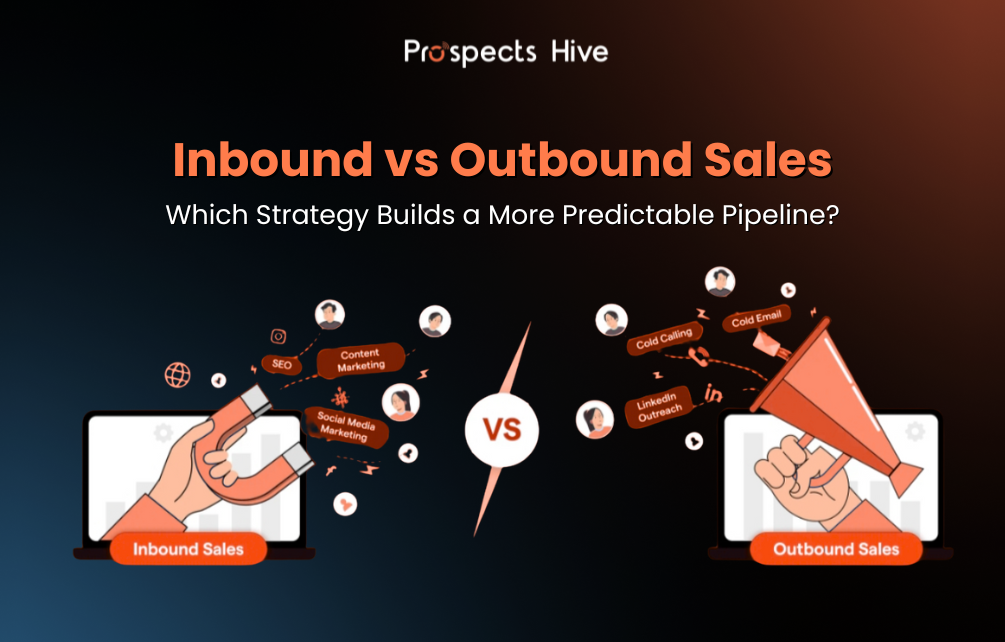
Inbound vs Outbound Sales: Which Strategy Builds a More Predictable Pipeline?

The Inbound vs Outbound Debate Inbound or outbound, which one do you think triumphs at the pipeline game? This is a debate that gets as old as modern B2B sales itself. Some teams count on inbound marketing and its compounding organic magic. Others vouch for the precision and dominance of outbound prospecting. But in 2025, the real question does not focus on which one is better. Instead, modern day marketing demands to know which one helps you build a pipeline that’s dependable and scalable through and through. In this blog, we’ll break down both approaches, study their strengths and caveats, helping you to understand how the most successful revenue teams around the world are fusing both inbound and outbound into one unified, synchronized system that boosts consistent growth. What Is Inbound Sales? In a nutshell, inbound sales is a magnet system  that attracts potential buyers through the creation of value long before a sales conversation even takes place. Instead of blindly chasing prospects, you use building blocks like awareness, trust, and credibility and build on them one by one, so that leads come to you organically. Core Inbound Channels SEO and Blogs: High-value educational content that ranks on search engines. LinkedIn & Social Content: Consistent thought leadership that builds familiarity and expertise. Email Newsletters: Regular updates that nurture relationships and encourage engagement. Referrals and Communities: Leveraging network trust and brand advocacy to bring in warm leads. The Inbound Advantage Builds long-term brand equity and thought leadership. Scales organically with compounding returns over time. Attracts high-intent leads already aware of your solution. Creates trust loops through consistent, value-first content. Reduces dependency on paid ads or cold outreach. The Inbound Limitation Slower to produce immediate results as content and SEO take time. Requires consistent content output and audience engagement. Harder to directly control lead volume or targeting. Brand visibility and search algorithms influence success. Inbound sales thrives when you have patience and a proper brand positioning. It’s about building a system where people want to buy from you because they already know, like, and trust your brand. What Is Outbound Sales? Outbound sales is the opposite philosophy, meaning it’s a precision engine. You don’t keep waiting for leads to discover you; rather you find and engage them first. This approach is built on proactive outreach, dominated by research, personalization, and technology. Core Outbound Channels Cold Email Campaigns: Personalized messages targeting decision-makers. LinkedIn Prospecting: Connection + engagement strategies for outreach. Cold Calling & SMS: Real-time conversation starters with high touch. Intent Data & Signal-Based Prospecting: Targeting prospects showing buying signals (funding, hiring, or tech adoption). Outbound Advantages Immediate control over outreach volume and targeting Predictable and scalable when systemized Quick feedback loop for messaging and market testing Works even without strong brand visibility Great for new markets, launches, or early-stage validation Outbound Limitations Requires domain warm-up and deliverability management Lower initial conversion if personalization is weak Can feel intrusive if not value-oriented Dependent on consistent follow-up and CRM hygiene 2025 Outbound Tech Stack Modern outbound teams rely on tools like: Prospecting & Enrichment: Apollo, ZoomInfo, Clay Automation: Lemlist, Instantly, Outreach CRM Integration: HubSpot, Attio CRM, Salesforce Deliverability & Warmup: Icypeas, maildoso, Dropcontact Outbound sales is about control, precision, and intent acceleration, using these you identify who you want to talk to and build a process to reach them effectively. Inbound vs Outbound: Stage-by-Stage Comparison Stage Inbound Focus Outbound Focus Awareness SEO, blogs, webinars, social visibility Targeted email, cold outreach, event prospecting Interest Lead magnets, newsletters, educational funnels Multi-touch cadences, LinkedIn engagement Consideration  Case studies, product demos, nurturing sequences Personalized follow-ups, sales sequences Decision  Retargeting, testimonial showcases, demo CTA Direct offers, calendar booking CTAs Retention  Customer success emails, community, upsell content Post-sale follow-up, feedback campaigns Inbound is the pull through which you attract. Outbound is the push through which you engage. All in all, both can feed each other when integrated intelligently. Which One Scales Faster (And When)? Let’s compare Time-to-Pipeline: Growth Stage  Recommended Approach  Why Pre-PMF (Product-Market Fit) Outbound-first You need conversations to validate ICP, not followers. Growth Stage 60% Outbound + 40% Inbound You’re scaling the pipeline and building content for inbound compounding. Scale-up Stage 70% Inbound + 30% Outbound Inbound dominates once brand visibility grows and leads to self-qualification. Therefore, outbound scales faster, but inbound sustains longer. That’s why modern B2B teams blend both into a hybrid system for predictable growth. Outbound builds momentum, whereas inbound provides a compounding effect. The Hybrid Playbook (“Allbound” System) The best-performing teams in 2025 use what’s known as the Allbound Framework – a synchronized mix of inbound and outbound strategies that feed each other. Here’s how it works: Outbound discovers opportunities. Cold email and LinkedIn identify ICPs and trigger engagement. Inbound nurtures visibility. Content, case studies, and newsletters keep your brand top-of-mind. Outbound follows up with context. Those who engaged with inbound content receive warm, personalized outreach. Inbound converts and retains. Leads become customers, then advocates through continued nurturing. Example: A cold prospect comes across your LinkedIn post while using the app, gets an outbound email referencing it, and proceeds to download your eBook. Shortly after, it joins your newsletter. Now they’re a warm inbound lead. That’s Allbound, a loop, not a line. ROI & Cost Comparison Table Metric Inbound  Outbound  Allbound Initial Cost Low (content & SEO investment) Medium–High (tools, data, manpower) Medium Time to Results Slow (3-6 months) Fast (2-4 weeks) Moderate (3-8 weeks) Scalability  Exponential (content compounds) Linear (depends on sending capacity) Hybrid (balanced ROI) Lead Quality  High-intent, but fewer Variable but depends on targeting Consistently high Predictability  Volatile early, stable later Immediate but fluctuating Most predictable Sustainability  Long-term Medium-term Long-term + scalable Key insight: Outbound gives control. Inbound gives credibility. The hybrid model gives consistency, making it the trifecta of predictable revenue. Why the Future Is “Inbound-led Outbound” The modern sales motion isn’t about choosing sides. It’s about sequencing them strategically. Outbound should spark demand, demonstrating the first handshake. Inbound should sustain interest, that is the continuation of the conversation.

B2B Sales, Cold Email, Digital Marketing, Email Marketing, Marketing Strategy

Why Email Marketing Still Wins in B2B

In today’s age of relentless digital transformation where the marketing domain is dominated by LinkedIn posts, targeted ads, and automated funnels, email continues to silently outperform every channel known to the B2B marketing landscape. Latest statistics say that the average ROI for email marketing is $36 for every $1 you spend, now that’s a number no other digital medium can touch! Nonetheless, most B2B teams are still drifting away in the whirlwind of the evolving marketing landscape in 2025. They’re curating and sending out the same generic newsletters to everyone, heedlessly reusing the templates, and hoping something clicks with their clients. The result? Declining open rates, increasing unsubscribes, and a business reputation that gets your domain flagged faster than your leads can even bother to say “Not interested.” Modern B2B teams know better than this. They’re revolutionising email from a “batch-and-blast” tool into a sophisticated and personalized outbound engine that attracts cold prospects, nurtures warm leads, and accelerates deal closing. In this guide, we’ll break down what modern email marketing really means in 2025, how the best B2B teams are combining both outbound and inbound strategies, and the exact frameworks and tools you need to make it work. Stick around till the end to understand how Prospects Hive helps businesses build intelligent, data-driven email systems that turn conversations into conversions. What Is Email Marketing (and Why It’s Evolving)? At its core, email marketing is a marketing strategy of sending messages to a defined audience to inform, nurture, or convert. Traditionally, this meant mass dispersing newsletters, promotions, or updates to everyone in a database roughly with any segmentation or personalization. But today, this marketing tactic has drastically evolved. Email is not a broadcast channel anymore. It has transformed into an intent-driven ecosystem that utilizes and evaluates real-time data, buyer intent signals, and automation to deliver the right message at the right time. For instance, think of a SaaS company which now personalizes campaigns based on their user behavior to come up with emails containing onboarding tips specifically curated for its free users, case studies for the trial users, and upgrade offers for the active customers. Similarly, financial firms are now sending newsletters with tailored insights based on client portfolios. B2B service providers are now curating follow-up sequences after prospects view pricing pages or attend webinars. To put simply, today’s email marketing is no longer about volume rather it’s about context. The Modern Email Marketing Framework (Outbound + Inbound Fusion) The truth that most teams seem to neglect is that modern B2B email strategy doesn’t live in isolation. It’s an amalgamation of outbound precision and inbound empathy, devised to attract new interest and nurture it into trust. Outbound: Reaching New Audiences Outbound email is the smarter, efficient, and digital version of your traditional cold calls; which focuses not on sending thousands of emails, rather on sending the right quantity to the right prospects. How it works: Search signals like company’s funding information, job postings, or recent news to identify timely outreach opportunities. Segment your list based on role, industry, or buying stage. Proceed to craft a multi-step sequence that progresses naturally from awareness, to value, and concluding with meeting. Integrate with LinkedIn, CRM, and data enrichment tools (like Apollo, Clay, or HubSpot) for personalization at scale. Example: Subject: Congrats on your new funding round! Hey [FirstName], noticed [Company] just closed a Series A – impeccable milestone! We’ve helped similar startups streamline their outbound outreach during growth sprints. Want to see what worked for them? [Your Name] Inbound: Nurturing Existing Relationships On the other hand, Inbound email is how you educate, retain, and build on your existing clientele. It comprises newsletters, onboarding emails, and behavior-based journeys mapped out to provide value before pitching anything or even bringing up sales. What it looks like: Majorly takes the form of educational content like guides, industry trends, templates to keep your brand at the top of your prospects’ minds. Employs behavioral triggers, for example, you may send out product tips to a user who hasn’t logged in for 7 days. Consists of retention campaigns like renewal reminders, upsell offers, loyalty rewards. Example: Subject: 3 ways to extract more from your current plan Hi [FirstName], Here are three small tweaks that can 2x your team’s results without any essential upgrade. [Link to guide] Cheers, The [Company] Team When Both Are Merged The magic happens when outbound and inbound work hand in hand, smoothing out your journey where cold prospects become subscribers. Following which, subscribers engage with your content. And engaged subscribers convert into paying customers. For example: A cold email leads a prospect to a landing page. Next, they download a free template and enter an inbound nurture flow. Two weeks later, they proceed to book a demo. That’s how a modern system aggregates, where the outbound attracts and the inbound converts. Types of Email Campaigns That Drive Pipeline Let’s break down the five core types of campaigns that ignite real B2B growth with mini examples of structure and CTAs. 1. Cold Outreach Goal: This is where you start conversations with your qualified prospects. Structure: Begin with a personalized opener to value pitch and wrap up with a clear CTA. Example: Subject: Quick idea for [Company]’s outbound Hi [FirstName], noticed your team is expanding into new markets. We recently helped [Competitor xyz] multiply their reply rates using data-driven personalization. Worth a quick 10-min chat next week? [Your Name] CTA: “Let’s connect this week, does Wednesday work?” 2. Lead Nurturing Sequences Goal: Warming up leads who aren’t ready to make the buying decision. Structure: Curate an educational email containing a case study and conclude with a gentle offer. Example: “Hey [FirstName], here’s how one of our clients improved reply rates by 50%. Want the framework?” CTA: “Grab the 5-step sequence here.” 3. Announcements Goal: This is where you share major company news such as a product launch, funding, or partnership. Structure: Start with a clear headline, followed by a short description and a link to learn more.

How to increase customer lifetime value
B2B Sales

How to Increase Customer Lifetime Value: 10 Strategies That Actually Work in B2B

Your best customer may already be with you. Most B2B teams treat growth as a numbers game: more pipeline, more demos, more new logos. But while the sales team chases fresh prospects, existing revenue quietly slips away.  Customers who don’t feel valued don’t renew. Those who disengage don’t expand. And the ones who lose interest? They leave without a word. Acquiring a new customer costs 5 to 7 times as much as keeping one. Yet most B2B budgets stay skewed toward acquisition, and that gap is exactly where revenue gets lost. Knowing how to increase customer lifetime value is what closes that gap. Before we dive in here’s what you need to know at a glance: Customer Lifetime Value = Average Order Value (AOV) × Purchase Frequency × Customer Lifespan A 5% increase in customer retention can boost profits by 25–95% B2B CLV is typically higher per customer, but losing one account can equal losing dozens of B2C customers The ideal CLV:CAC ratio for sustainable B2B growth is 3:1 or above CLV is not just a metric to monitor, it’s a decision-making framework for your entire growth strategy What is Customer Lifetime Value And Why Does it Matter? Customer Lifetime Value (CLV) is the total revenue a customer is expected to generate throughout their entire relationship with your business. That’s the simple definition.  But what makes it powerful is what it forces you to consider, not just the deal you just closed, but everything that could come after it. The formula is simple: CLV = Average Order Value × Purchase Frequency × Customer Lifespan. In practice: a B2B client paying $1,500 per month, renewing annually for 3 years, with 2 service upsells along the way. That’s a CLV of $60,000 or more. That single account is worth protecting with the same energy you’d spend acquiring 10 new ones. So why does it matter more than your lead count?  Because lead count is a vanity metric. If those leads don’t stay. Every business eventually reaches a point where the cost of acquiring new customers starts creeping toward or even surpassing what those customers are actually worth.  When your Customer Acquisition Cost (CAC) approaches your CLV, your growth model has a structural problem that no amount of new pipeline can fix.  The CLV:CAC ratio is your early warning system. A healthy B2B business targets a 3:1 or higher ratio, meaning every dollar you spend acquiring a customer should return at least 3 in lifetime value. Obsessing over new leads while ignoring CLV is a silent revenue leak. The companies that compound their growth year over year aren’t just better at acquiring customers; they’re significantly better at keeping and expanding them. So what actually moves the needle? Let’s get into it. How to Increase Customer Lifetime Value With Just 10 Strategies Here each one is grounded in how B2B customer relationships actually work and where AI-powered outbound automation changes the game. 1. Start With Clean, Unified Customer Data You can’t improve what you can’t see clearly. This is the most foundational CLV principle, and the most frequently ignored. In most B2B companies, customer data is scattered: purchase history lives in the CRM, engagement data sits in the email tool, support tickets are in a separate platform, and billing information is somewhere else entirely.  The result is a fragmented picture that makes it nearly impossible to understand which accounts are thriving, which are quietly disengaging, and which are about to churn. The fix starts with establishing a single customer view: one place where behavior, spend history, engagement signals, and support interactions are visible together. ⚡10+ Best CRM for Outbound Sales in 2026: The Ultimate Decision Framework When your team can see that the Account hasn’t opened an email in 60 days, hasn’t logged into your platform in 3 weeks, and has just submitted a frustration-driven support ticket. That’s a churn signal. Without unified data, it’s invisible. Audit where your customer data currently lives and identify the gaps Prioritize connecting your CRM, email platform, and support tool as a baseline. Define “at-risk” and “high-expansion” account criteria based on behavioral signals. ⚡learn, How to Use Intent Signals to Get More B2B Sales 2. Fix Onboarding Poor onboarding is the number one silent CLV killer in B2B. And it’s almost never dramatic. There’s no angry email, no formal complaint. Customers who don’t reach their “first value moment” quickly just quietly disengage.  They use the product less, engage less with your team, and when renewal comes around, they don’t feel strongly enough to stay. Good B2B onboarding isn’t a welcome email and a PDF guide. It’s a structured, milestone-driven journey that gets your new client to a clear, tangible win as fast as possible. Think: what does success look like on Day 7? Day 14? Day 30? If you can’t answer that, your onboarding has a problem. Map the first 30-day journey for your average ICP and identify where new clients go quiet. Define 2–3 “first value” milestones and build your onboarding sequence around reaching them. Personalize onboarding sequences based on company size, use case, or account type Follow up personally when a client misses a milestone. Don’t wait for them to ask.   3. Upsell and Cross-Sell The best upsell feels like a timely, relevant recommendation from someone who actually understands your business. The difference between an upsell that converts and one that damages the relationship is almost entirely about timing and context. In B2B, natural expansion moments happen when a client hits a success milestone, when usage data shows they’re approaching the limits of their current tier, or when a new pain point emerges that your additional service directly addresses.  Upselling when your quota is due, rather than when your customer is ready, is how you erode trust faster than any competitor can. Use account usage data and behavioral signals to identify when expansion is a natural next step. Train your account management team to upsell during peak satisfaction moments after a win, a renewal,

Business, Digital Marketing, Marketing Strategy, Outbound Tips and Basics

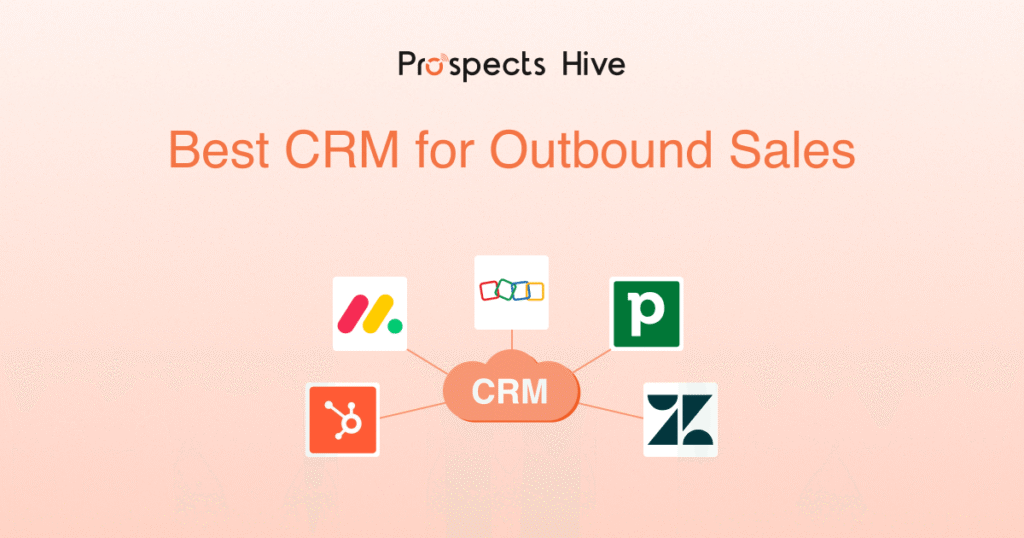
10+ Best CRM for Outbound Sales in 2026: The Ultimate Decision Framework

Most CRMs weren’t built for outbound sales. They focus on managing deals, not generating them. Outbound sales require speed, volume, and personalization elements that generic CRMs often miss. This guide is a decision framework that helps you choose the best CRM for your unique needs. We’ve ranked tools by stage and use case, ensuring real workflow clarity for every team type. Expect a balanced, vendor-neutral approach, no fluff, just actionable insights to optimize your outbound efforts. TL;DR for Decision Makers HubSpot: A popular all-in-one CRM that works well for teams combining inbound and outbound sales in one platform. Attio: A modern, highly customizable CRM designed for startups and fast-growing outbound teams. GoHighLevel CRM: An automation-heavy CRM built for agencies and small teams running outbound campaigns. Zoho CRM: A budget-friendly CRM with solid automation and multichannel outreach capabilities. Salesforce: A powerful enterprise CRM ideal for large outbound teams needing deep customization and integrations. Affinity: A relationship-focused CRM that uses data and AI insights to strengthen pipeline and deal management. Pipedrive: A simple, visual pipeline CRM that helps small sales teams manage outbound deals efficiently. Outreach: A leading sales engagement platform built for running structured outbound sequences at scale. Freshsales: An easy-to-use CRM with built-in calling, email tracking, and AI insights for sales teams. Salesloft: A sales engagement platform designed for high-volume outbound prospecting and pipeline acceleration. Close: A CRM built specifically for outbound sales with strong calling, SMS, and email features. Instantly.ai: A cold email outreach platform focused on scaling outbound campaigns with high deliverability. Comparison Table: 10+ Best CRM for Outbound Sales Here you will see a quick overview of of 11 best crm from outbound sales to make a decision faster: CRM Best for Strength Pricing HubSpot SMB to mid-market teams combining inbound + outbound Easy to use, strong automation, large integration ecosystem starting from $15/month Attio Startups and modern GTM teams building custom outbound workflows Highly customizable data model, strong automation, modern UI Starting from $36/month GoHighLevel CRM Agencies and small businesses running outbound campaigns All-in-one automation, funnel building, SMS/email outreach Starting from $97/month Zoho CRM Growing teams needing affordable outbound CRM Low cost, strong automation, multichannel outreach Starting from $20/month Salesforce Enterprise outbound teams with complex sales processes Deep customization, powerful reporting, huge integration ecosystem Starting from $25/month Affinity Relationship-driven sales teams and deal networks Relationship intelligence, automated contact data capture Starting from $0 Pipedrive Small to mid-size sales teams needing simple pipeline tracking Visual pipeline management, easy adoption, strong reporting Starting from $19/month Outreach Enterprise SDR teams running large outbound sequences Advanced sequencing, analytics, automation for outbound Custom pricing Freshsales SMB teams wanting built-in calling + CRM Built-in phone, AI insights, simple automation Starting from $9/month Salesloft High-volume outbound teams using structured cadences Powerful sales engagement tools, coaching and analytics Custom pricing Close Call-heavy outbound teams and inside sales Built-in power dialer, email + SMS outreach, simple workflow Starting from $49/month Instantly.ai Teams focused on scaling cold email outreach High deliverability, email automation, multi-inbox sending Starting from $47/month 5 Best CRM for Outbound Sales in Detail Here’s a deep dive into each platform including pricing, positioning, key features, and an honest look at where each tool excels and where it falls short for outbound teams. 1. HubSpot Pricing Free plan available. Sales Hub Starter: $20/user/mo. Sales Hub Professional: $100/user/mo. Sales Hub Enterprise: $150/user/mo. Pricing scales quickly with contacts and features. Best for Small to mid-size teams combining inbound and outbound sales workflows. Overview HubSpot is one of the most widely adopted CRMs. While it started as an inbound marketing platform, it has evolved into a strong sales tool that also supports outbound outreach. For outbound teams, HubSpot works best when paired with email sequencing tools or sales engagement platforms. ⚡ How Can Email Marketing Fuel Your Overall Inbound Strategy Key Features Built-in email tracking and sequences Pipeline and deal management Sales automation workflows Contact and lead tracking Reporting dashboards Large integration ecosystem Pros and Cons Pros Cons * Very easy to use * Advanced outbound features require higher-tier plans. * Strong automation tools * Not optimized for high-volume outbound by default * Large marketplace of integrations 1. Attio Pricing Free plan (up to 3 seats). Plus: $34/user/mo. Pro: $69/user/mo. Enterprise: $119/user/mo. Annual billing available with discounts. Best for Startups and modern GTM teams are building custom outbound workflows. Overview Attio is a newer CRM designed for flexible relationship management. It’s highly customizable and works well for teams building modern outbound systems with tools like Clay, Apollo, or LinkedIn. Key Features Flexible data model Custom objects and workflows Powerful automation capabilities Real-time collaboration Integrations with modern GTM tools Pros and Cons Pros Cons * Highly customizable * Smaller ecosystem than legacy CRMs * Modern UI and workflows * Requires setup for complex workflows * Excellent for relationship-driven outbound 3. GoHighLevel CRM Pricing Starter: $97/mo (flat, unlimited users). Agency Pro: $297/mo. White-label options available. No per-seat pricing — major advantage for agencies. Best for Agencies and small businesses running automated outbound campaigns. Overview GoHighLevel is an all-in-one platform that combines CRM, marketing automation, funnels, and messaging tools. It’s especially popular among marketing agencies that manage outbound client outreach. Key Features Built-in SMS and email automation Sales pipeline management Landing page and funnel builder Appointment scheduling Automation workflows Pros and Cons Pros Cons * All-in-one marketing and sales platform * UI can feel complex * Good automation capabilities * Limited enterprise capabilities * Useful for agencies managing multiple campaigns 4. Zoho CRM Pricing Standard: $14/user/mo. Professional: $23/user/mo. Enterprise: $40/user/mo. Ultimate: $52/user/mo. Free plan available for up to 3 users. Annual billing recommended. Best for Growing businesses are looking for an affordable outbound CRM. Overview Zoho CRM is a cost-effective alternative to larger platforms. It supports multi-channel communication, automation, and reporting features that work well for outbound sales teams. ⚡ The Future of Outbound Sales: How Automation is Changing the Game Key Features Multichannel communication (email, phone, social) Workflow automation Lead scoring and tracking. Sales forecasting Reporting dashboards Pros

Business, Digital Marketing

Combining Social Selling and Outbound: A Blueprint for B2B Growth

Key Takeaways: 1. Social selling turns outbound into relationship-driven, trust-based engagement. 2. LinkedIn, Twitter, and Facebook help engage prospects and amplify reach. 3. Personalized, value-driven outreach nurtures better leads and shortens sales cycles. 4. Combining social selling with tools like Apollo, Clay, and Instantly improves targeting and efficiency. 5. Consistency and authentic engagement build credibility and long-term relationships. 6. Be mindful of challenges like time management, ROI, cultural buy-in, and over-automation. In today’s hyperconnected digital world, the landscape of B2B sales is constantly evolving. The traditional outbound B2B sales process is fast becoming obsolete. But it has given rise to a digital revolution named social selling, a transformative approach that harnesses the power of digital platforms and relationships to drive meaningful B2B growth. Now, you can connect with prospects, build genuine relationships and convert them, all using social media! Outbound teams that blend social selling with cold email and LinkedIn outreach are not only chasing leads. They are building trust, sparking conversations, and consistently generating more pipeline. By warming prospects socially before hitting the inbox, they stand out in crowded inboxes and convert faster. Instead of cold calling, it drives sales by building authentic relationships, using personalized and value-driven engagement across social media. But what exactly is social selling, and why has it become such an essential strategy for today’s top-performing business development professionals? Let’s dig in. What is Social Selling ? At its core, social selling is about leveraging social networks like LinkedIn, Twitter, and even niche industry communities to identify, connect with, and nurture potential customers. Unlike traditional sales, which often rely on interruption and volume, social selling focuses on engagement, trust, and value-driven conversations.  To put simply, social selling is more than pushing products or services where: Sales are transformed into a dialogue and two-way exchange.  Insights are shared, needs are understood, and solutions are co-created. In B2B, buying decisions are complex and trust is the key deciding factor which makes social selling not a trend but a necessity for today’s B2B growth. Why Social Selling Matters for Outbound ?  The B2B space is uniquely suited for social selling for several reasons.  Firstly, the typical sales cycle is long, involving multiple stakeholders and extensive due diligence.  Secondly, buyers expect to make well-informed decisions backed by research and recommendations.  Thirdly, social selling positions sellers as experts and trusted advisors where buyers are 57% through the journey well before engaging sales. Here’s How Social Selling Fuels Your Outbound for B2B Growth The heart of social selling is, ultimately, relationships. If your sales team isn’t engaging where your buyers are gathering information and building trust, you are already losing territory to competitors who are. Buyers are much more likely to engage with and buy from professionals they know, like, and trust. Here’s how social selling builds these critical connections. Authentic Engagement Effective social selling starts with genuine engagement by: Engaging through likes, shares, and comments on your prospects’ posts.  Participating in relevant industry conversations to show active involvement.  Focusing on adding real value without immediately pushing for a sale.  Building familiarity and goodwill gradually through consistent, meaningful interactions. Over time, this consistent visibility and value-adding interaction fosters familiarity and goodwill. Thought Leadership Being seen as a thought leader is a powerful differentiator in the evolving B2B purchasing landscape and can influence buying decisions before direct contact even happens. Social selling helps you do this by: Sharing industry insights, original articles, and thoughtful commentary on trends.  Positioning yourself as a go-to resource within your field.  Influencing buying decisions by establishing credibility before direct contact. Personalized Communication Today’s buyers are bombarded with messages, most of which are generic and easy to ignore. Social selling allows:  Tailoring outreach messages to each prospect’s interests, challenges, and business context.  Avoiding generic messages that are easy to ignore.  Showing empathy and effort through thoughtful communication.  Building stronger rapport and trust from the very first interaction. Amplified Reach Social selling amplifies outbound reach by transforming traditional outreach into personalized, trust-based interactions on social media platforms, where: Content that can be engaged with and reshared by your network to reach a wider audience is shared.  Networks of prospects, colleagues, and influencers to expand visibility can be leveraged.  Brand awareness is increased, opens doors to new connections, and attracts potential leads organically. Consistency and Visibility  Trust and credibility grow over time, not overnight. Social selling makes it easier for you to: Maintain a regular posting schedule with helpful and informative content.  Respond promptly to questions, comments, and engagement opportunities.  Ensure your online presence is professional, positive, and approachable.  Stay top of mind so that when a prospect is ready to engage, you are recognized as a reliable resource. The Key Benefits of Social Selling for B2B Growth Organizations that embrace social selling consistently outperform those that don’t. Here’s how social selling translates to real business growth: Building Trust Engage with prospects to understand their needs and provide value. Share expertise through personalized interactions and helpful content. Become a trusted advisor, not just another salesperson. Shorter Sales Cycles Nurture leads progressively while educating and building credibility. Build relationships early so buyers are ready when making decisions. Expedite the closing process through established trust. Higher Quality Leads Use advanced targeting to identify the most relevant prospects. Focus on meaningful conversations rather than wide-net outreach. Increase conversion rates through precise, qualified leads. Improved Customer Retention Continue engagement after the sale to turn customers into advocates. Leverage opportunities for upselling, cross-selling, and referrals. Drive long-term growth through ongoing relationship building. Competitive Growth Advantage Build strong relationships in commoditized industries. Stand out by mastering social selling to increase reach and resonance. Gain a distinct edge over competitors through relationship-driven strategies. Effective Lead Nurturing Keep prospects engaged and informed throughout the buying journey. Share valuable content like insights, case studies, and success stories. Create positive brand perception to influence purchase decisions. Establishing Thought Leadership Share informative content such as blogs, articles, and webinars. Position your company as a trusted authority in the industry. Differentiate

AI GTM in Outbound Marketing
Go-To-Market

AI GTM in Outbound Marketing: The 2026 Playbook for Scalable Growth

Struggling to scale your outbound in 2026? That’s majorly because outbound marketing is undergoing a major transformation. Maybe you’re running campaigns that look good on paper, but the leads aren’t converting. Or you’re hitting the right audience but at the wrong time. In 2026, outbound growth isn’t about sending clever sequences anymore. The real advantage comes from AI-driven GTM systems that identify high-intent leads, personalize outreach at scale, and engage prospects at the right moment. In this blog, you’ll learn how to build an AI-powered outbound GTM strategy and discover the tools that help scale pipeline faster while giving your team clearer data to act on.  Key Notes AI GTM in outbound marketing refers to using AI-driven systems, automation, and data signals to build a more intelligent GTM strategy. AI-driven outbound marketing combines data enrichment, intent signals, and automation for precise prospecting. AI GTM improves lead targeting, pipeline forecasting, and multi-channel outreach. Modern B2B GTM strategy is a combination of AI-powered prospecting, signal-based outreach, and conversational intelligence. Teams implementing AI-powered GTM strategies are scaling outbound marketing without proportionally increasing SDR headcount. What is AI GTM in Outbound Marketing? AI GTM in outbound marketing refers to the use of AI to design, automate, and optimize a company’s GTM strategy for outbound sales and marketing. With AI GTM in outbound marketing, you use AI to analyze large datasets to identify patterns, predict buying behavior of your prospects, and improve targeting.  This empowers B2B teams like yours to build a smarter, precise, and more responsive go-to-market strategy. Typically, a  traditional outbound process includes: Manual list building Generic email sequences SDR-led research Basic CRM tracking In contrast, AI-driven outbound marketing introduces automation and intelligence across your entire GTM tech stack. With AI systems, you can: Identify high-fit prospects using AI lead targeting. Automate prospect research. Personalize outreach at scale. Predict pipeline performance through AI pipeline forecasting. Optimize campaigns across multiple channels. In 2026, a modern AI-powered GTM platform blends data enrichment, intent signals, and automated outreach workflows to identify prospects having the maximum potential to convert into sales. See also: The Future of Outbound Sales: How Automation is Changing the Game As a result, AI has become a core component of B2B marketing and outbound sales strategies, particularly for companies aiming to scale growth efficiently. Why is Traditional Outbound Not Enough Anymore? Traditional outbound marketing once worked well when competition was lower and inboxes were less crowded.  Today, however, generic templates and list-based prospecting can no longer deliver consistent results. Several challenges have made traditional outbound less effective, including: Static lead lists Limited personalization Manual research and workflow bottlenecks Lack of signal-based outreach Because of these changes, modern B2B companies have rapidly shifted to onboarding AI-powered GTM strategies that combine automation, data intelligence, and multi-channel execution. The Core Components of An AI GTM System A successful AI GTM strategy is not just about using a single AI tool. It requires a structured system that integrates data, automation, and sales workflows. Below are the key components of a modern AI-powered GTM tech stack. 1. Data and Enrichment Layer Every AI-driven outbound system begins with high-quality data. AI platforms collect and enrich prospect data from multiple sources such as: company databases social platforms technology usage data hiring trends Data enrichment helps improve AI lead targeting and ensures that outreach campaigns reach the right decision-makers. 2. ICP Modeling and Predictive Targeting AI tools can analyze existing customer data to identify patterns among successful deals. This enables teams to build stronger Ideal Customer Profile (ICP) models based on factors such as: company size industry revenue growth technology stack With predictive targeting, AI systems can prioritize personas most likely to convert. 3. Signal Detection Modern AI systems monitor buying signals that indicate a prospect’s potential buying intent. Examples include: job postings funding announcements leadership changes product launches Signal-based targeting allows teams to run triggered outbound campaigns rather than generic outreach. 4. Automation and Workflow Orchestration Automation tools integrate the entire GTM automation workflow, connecting prospecting, outreach, and CRM systems. This includes: automated lead enrichment multi-channel outreach sequences automated task assignments pipeline updates inside CRM platforms Also read: 10 Best CRMs for B2B Outbound Sales 5. AI Sales Enablement and Insights AI tools also analyze conversations between sales teams and prospects. This includes: call recordings email conversations meeting transcripts Through this conversational intelligence, AI platforms can extract insights about objections, buyer priorities, and deal risks. These insights help improve your sales enablement strategies and messaging. How to Create An AI-Driven Go-To-Market Strategy from the Scratch? Building an AI-driven go-to-market strategy starts with the adoption of a structured approach, keeping your marketing, sales, and data infrastructure aligned.  Below is a simplified framework for implementing AI GTM in outbound marketing. Step 1: Define Your Ideal Customer Profile Start by analyzing your best existing customers. Identify common attributes such as: industry company size revenue range technology adoption AI tools can analyze historical data to identify patterns and refine your B2B GTM strategy. Step 2: Build Your Data Pipeline Next, create a reliable data pipeline that collects and enriches prospect data. A modern GTM tech stack typically includes: data enrichment platforms. AI prospecting tools. CRM systems. outreach automation tools. These systems work together to create a centralized data environment. Step 3: Implement AI Prospect Research AI research tools can gather contextual information about prospects. For example, AI can analyze: company websites news articles LinkedIn updates product announcements This information enables AI sales scripts and outreach messages to reference relevant events or insights. Step 4: Design Multi-Channel Outreach Campaigns Modern outbound marketing relies on multiple communication channels. AI-driven outreach systems combine: email outreach LinkedIn messaging phone calls content engagement This approach is often referred to as AI multi-channel outreach. Step 5: Monitor Performance and Optimize Once your campaigns are live, AI platforms can track performance metrics such as: reply rates meeting bookings pipeline velocity deal conversion Through AI pipeline forecasting, your sales team can identify which strategies generate the most revenue. 5 AI GTM

Intent Signals
Lead Generation

Intent Signals: The Missing Link in Your B2B Sales Strategy

Struggling to convert interested leads into paying customers? You might be targeting the wrong people or engaging with the right ones at the wrong time. In 2026, leveraging powerful indicators called intent signals that reveal a prospect’s readiness to buy, has become a game-changer for B2B sales teams. Buyer intent signals help you focus on high-potential leads at the right stage of their journey.  In this blog, you’ll learn how to identify intent signals, prioritize leads, and use data-driven strategies to transform those leads into customers with the help of smart tools, real-life examples, and actionable insights. The 60-second guide to intent signals Intent signals help B2B teams identify where prospects are in the awareness, consideration, or decision stage. Different intent signals indicate different levels of buying intent and should be prioritized accordingly. When sales and marketing teams operate using shared intent data, deal cycles shorten significantly.  Tools like Demandbase, ZoomInfo, and Apollo.io help automate signal tracking, scoring, and outbound workflows. When intent data is aligned with GTM strategy, it creates a scalable engine for converting high-potential leads into customers. What Are Intent Signals and Why Are They Important for B2B Sales? Intent signals (also called buying signals) are clues that show someone might be interested in buying your product or service. These signals help you figure out where your ideal prospect is in their decision-making journey: Awareness – They realize they have a problem Consideration – They start looking for ways to solve it Decision – They’re ready to buy Some examples of intent signals: Visiting your website A company hiring new team members Moving to a bigger office Merging with another company Using new software or tools These signals help sales and marketing teams reach out to people at the right time, when they’re most likely to be interested, making it easier to start conversations and close deals. In B2B sales, traditional methods like cold calls or mass email outreach are no longer enough. Buyer intent has become the most valuable currency in sales today. By using intent data, sales teams can ensure they’re reaching out to the right people, at the right time, with the right message. 4 Types of Intent Signals for B2B Marketing With Examples 1. Engagement Intent Signals Engagement intent signals are signals that can be tracked when your prospect seems to interact with your content. This generally indicates an interest in what you offer.  These signals help you understand when a prospect might be exploring your solutions or considering making a purchase.  Examples: A prospect clicks on multiple links within your email campaigns. A prospect signs up for a webinar or download a resource from your website. A lead opens and interacts with your content in a newsletter or blog. 2. Research Intent Signals Research intent signals can be found when your prospects are in their research stage. That means they are browsing the internet, gathering information, looking for suitable solution providers to solve their problems. These signals suggest that the prospect is in the discovery phase and considering your product or service as a potential solution. Examples: A lead searches for specific product-related terms or competitors on Google. A prospect compares your product features to others via online reviews or forums. A visitor reads product case studies or customer testimonials on your website. 3. Hiring/Recruiting Intent Signals As the name itself suggests, hiring intent signals occur when a company is expanding its team, often indicating that they may need new solutions or technology to scale.  These signals are valuable when a company might be searching for a product or services that you offer.   Examples: A company posts new job openings for roles related to your solution (e.g., marketing, sales, product development). A business hires executives or decision-makers in areas like operations or technology. A company adds positions in growth-oriented departments (e.g., sales or customer success) that might require automation or CRM tools.. 4. Technographic Intent Signals Technographic intent signals are based on the technology stack a company is using.  When a company updates, changes, or adopts new technologies, it could indicate a need for complementary products or services that align with those tools. Examples: A company adopts new CRM software like HubSpot, which may indicate a need for additional marketing automation tools. A prospect switches from one cloud service provider (e.g., AWS) to another, signaling potential tech infrastructure changes. A prospect installs or trials new analytics software, possibly signaling the need for better reporting and data management tools. Where Intent Signals Come From? Intent signals come from various sources. To effectively collect them, the right tools must be leveraged. Below are 4 main sources of intent signals: Website Analytics: Tools like Google Analytics or HubSpot intent tracking show which pages your prospects are visiting and how often. Social Media: Prospects engaging with your brand on platforms like LinkedIn or Twitter can signal interest. Content Consumption: Downloads, clicks, and video views can show what content prospects are engaging with, indicating areas they are interested in. Intent Data Providers: Providers offer deeper insights into intent signals, including search behaviors and company-level signals. By using intent data tools and platforms, businesses can gather the necessary intent signals to effectively guide their outreach strategies as well as expand their intent database. How to Use Intent Signals to Drive B2B Sales Using intent signals effectively is the key to improving your sales process. Here’s how to do it effectively: 1. Identify Key Intent Signals Your sales process requires you to determine which intent signals serve as the most important indicators.  Determine whether you want to find buyer intent signals through your website visitor behavior. Or are you focusing on contextual signals such as new funding or leadership changes in your target accounts? 2. Prioritize and Segment Leads All intent signals possess different levels of importance. Some signals indicate stronger buying intent than others.  For example, a demo request serves as a stronger indication of purchasing intent than merely visiting your pricing page. Use lead scoring to

Scroll to Top