The Future of Outbound Sales: How to Adapt and Win
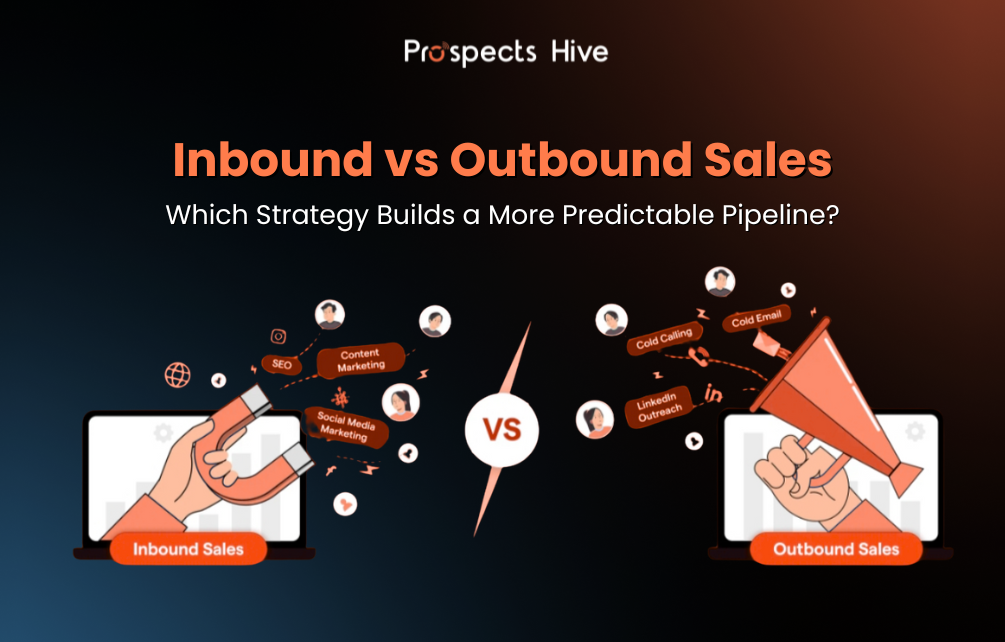
Outbound sales still works. What doesn’t work anymore is how most teams are doing it. Mass outreach initiatives together with generic messaging approaches and volume-first operational methods are becoming less effective. Competition has increased and compliance requirements have become stricter as buyers now make more selective purchasing decisions. The combination of AI and intent data together with integrated tech systems enables organizations to identify target audiences precisely while maintaining the human touch. This shift is creating a clear divide. Teams that adapt are building predictable pipeline engines. Those that don’t are seeing diminishing returns. In this blog, we zoom in on the future of outbound sales, breaking down what’s changing, what matters now, and how to adapt your outbound strategy to win. Quick Takeaways for Skimmers Outbound sales is shifting from volume to signals. AI-powered outbound works only when paired with real intent data. The outbound sales process is becoming system-driven, not rep-driven. Multichannel and multi-threading are now baseline, not advanced tactics. Teams that win focus on relevance, timing, and data quality. Predictable revenue comes from connected systems, not isolated campaigns. What is Outbound Sales? Outbound sales is the process of proactively reaching out to potential customers through channels like email, cold calling, and LinkedIn. Unlike inbound sales, where leads come to you, outbound requires: Identifying prospects Initiating contact Driving conversations The traditional outbound sales process includes: Prospecting Lead generation Outreach Follow-ups Conversion In B2B outbound sales, this is often handled by SDRs or outsourced SDR teams. But the future of outbound sales is changing how each of these steps works. In fact, teams using AI are experiencing 1.3x revenue growth. Also read: Inbound vs Outbound Sales: Which Strategy Builds a More Predictable Pipeline? What’s Changing in Outbound Sales The biggest shift is simple: Old outbound relied on volume. Modern outbound relies on timing and relevance. Today’s outbound sales experience is defined by: Overcrowded inboxes. Low response rates. Decreasing trust in cold outreach. Cold calling and generic outbound calls still exist, but they are no longer effective at scale without context. Because 57% of the buyer journey is completed even before a buyer talks to a salesperson. Here’s what’s breaking: Sending more emails no longer increases results Generic messaging gets ignored Disconnected tools create inefficiency This is why many outbound sales teams are struggling to build predictable revenue. Because the future of sales is not about doing more outreach. It’s about doing the right outreach at the right time. Key Trends Reshaping Outbound Sales 1. Data-Driven Intent Intent data is becoming the foundation of outbound prospecting. Instead of guessing who to contact, teams can now track: Hiring signals Funding announcements Product launches Website activity This allows sales agencies and B2B sales teams to engage prospects when they are already in a buying mindset. Also read: Intent Signals: The Missing Link in Your B2B Sales Strategy 2. Hyper-Personalization & AI AI-driven outbound sales enables personalization at scale. AI can: Analyze company data Identify pain points Generate contextual messaging But AI-powered outbound only works when it’s fed with accurate data and clear signals. Without that, it just becomes automated spam. 3. “Human-in-the-Loop” Automation Automation is essential, but full automation doesn’t work. Modern outbound strategy combines: AI for research and execution Humans for judgment and messaging This ensures outreach stays relevant and authentic. 4. Multichannel Approach Outbound marketing is no longer limited to email. Winning teams now combine: Email LinkedIn outreach Cold calling Content engagement This creates multiple touchpoints and increases response rates. 5. Tech Stack Consolidation Sales teams are moving toward integrated systems. Instead of disconnected tools, they use: CRM systems Sales automation platforms Data enrichment tools This reduces friction and improves visibility across the outbound sales process. 6. Focus on Trust and Compliance Lastly, compliance and trust are becoming critical. With stricter regulations and smarter buyers: Low-quality outreach damages brand reputation. Data privacy matters more than ever! So to sum up, outbound strategies must now balance scale with responsibility. Traditional vs. Future Outbound Strategies: Quick Comparison Here is a quick glance at how future outbound differs from the old outbound strategies we’ve been using: Aspect Traditional Outbound Strategies Future Outbound Strategies Core Approach Mass outreach via cold calling, emails, direct mail, ads, billboards. Personalized, data-driven targeting with AI and intent signals. Technology Use Minimal; manual processes and basic tools. AI automation, predictive analytics, real-time insights. Personalization Generic, one-size-fits-all messaging. Hyper-personalized at scale using prospect data. Focus Volume and broad reach. Quality, relevance, and timing. Response Rates Low due to interruption. Higher with signal-based, value-adding outreach. Outbound Strategies to Implement Now (Here’s How to Adapt) 1. Signal-Based Prospecting Static lists are now outdated. Modern outbound prospecting starts with identifying buying signals, not just ICP fit. Instead of building lists based only on: Industry, company sizes, or job titles. Signal-based outreach achieves 15-25% reply rates compared to generic outreach. High-performing B2B sales teams can track: Hiring for specific roles (e.g. ops, sales, CX) Funding rounds or expansion Leadership changes Product launches or new initiatives For example: A company hiring multiple SDRs likely has pipeline pressure. These signals give you context before the first touch. This is what turns outbound from guesswork into a timing advantage. 2. Hyper-Personalization at Scale Personalization is no longer about adding a first name or company line. It’s about showing 2 crucial things: You understand their current situation. You’re reaching out for a specific reason. AI-driven outbound sales helps here by: Analyzing company data Summarizing key insights Generating tailored angles But the key is structured inputs. Strong personalization comes from: Signal → Insight → Message For example, instead of using: “Noticed your company is growing…” Use: “Hiring multiple leasing coordinators while managing 200+ units usually creates operational bottlenecks.” That level of specificity increases reply rates because it feels relevant, not automated. 3. Omnichannel Cadences Relying on a single channel limits your reach. Modern outbound strategy uses coordinated multichannel sequences. A simple cadence might look like: Day 1: Email Day 2: LinkedIn connection Day 4: Follow-up email Day 6: