Outbound Sales Automation: The Ultimate Guide to Scaling Your Pipeline
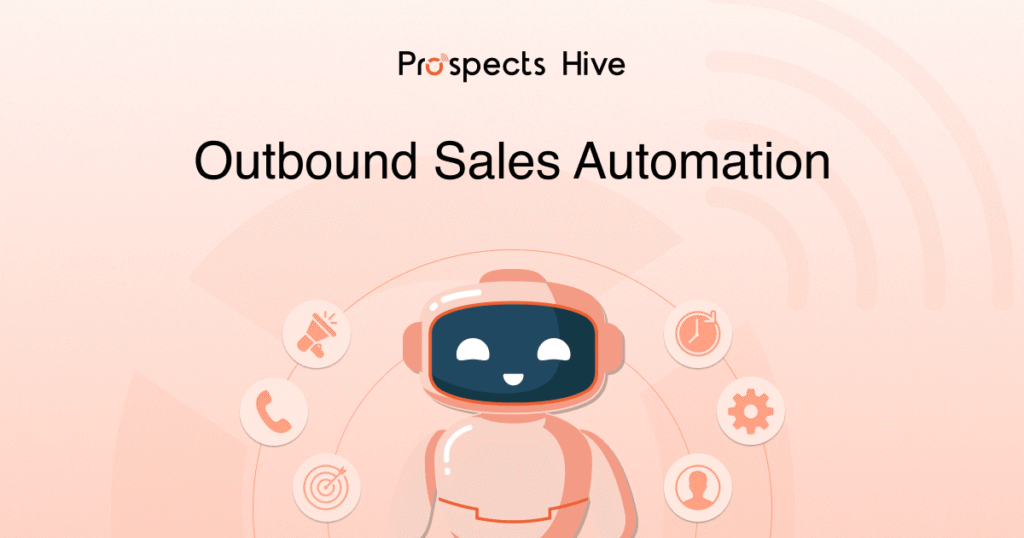
Outbound used to be simple. Build a list. Send emails. Then hope for replies. But today, that approach breaks more than it works. Buyers are more aware. Inboxes are more crowded. And generic outreach gets ignored instantly. This is where outbound sales automation changes the game, not as a shortcut but as a system. A system that connects: prospecting → personalization → timing → follow-up → CRM → pipeline growth. In 2026, if you aren’t automating your outbound sales, your sales team is still losing hours to admin work in the name of outreach instead of closing deals. In this guide, we’ll break down how modern outbound actually works, and how to use automation to scale the pipeline without losing relevance. Outbound Sales Automation in 60 Seconds Outbound sales automation = structured workflows, not just tools. Automation covers prospect sourcing, enrichment, outreach, personalization, follow-ups, and CRM sync. Automation reduces manual effort, not thinking. The goal is execution efficiency without losing relevance. Timing + message + targeting must align. Right prospect, right message, right time is the core principle. When done right, it builds a predictable pipeline. Consistent inputs → consistent outputs → scalable growth. When done wrong, it turns into spam. Poor data, weak targeting, and generic messaging break outbound fast. What is Outbound Sales Automation? Outbound sales automation refers to the use of automation tools and workflow systems to execute outbound sales processes at scale. It supports 5 key parts of the outbound sales approach, including: Outbound sales prospecting. Lead generation. Outreach sequencing. Follow-up management. CRM tracking. In a traditional outbound sales process, SDRs used to manually research prospects, then write emails from scratch, and follow-up individually. In contrast, an automated outbound sales process systemizes all these repetitive and manual tasks without eliminating the human element from messaging and conversations. Automating your outbound sales process does not replace your outbound strategy all together. It simply enables the strategy to be executed more efficiently and consistently. Thus, improving your sales team’s overall productivity. Also read: Inbound vs Outbound Sales: Which Strategy Builds a More Predictable Pipeline? Why Outbound Sales Automation Matters Outbound sales remains one of the most reliable ways to generate pipeline. But how it works has fundamentally changed. Here are the key shifts have made automation essential: Sending thousands of emails is no longer a strategy. Buyers are overwhelmed, and anything that lacks relevance is filtered out without a second thought. They are now used to personalized experiences across every channel, and that expectation carries into outbound. Also read: How to Write a Cold Email That Gets Replies (2026 Guide + Examples) Outbound is no longer just cold email. High-performing campaigns combine multiple touchpoints, including email, LinkedIn messages, connection requests, and follow-ups across channels. The biggest shift is the role of intent signals. Automation enables teams to capture, process, and act on these signals in real time. The Bottom Line: Outbound automation is no longer about sending more messages. It’s about sending the right message, through the right channel, at the right time, based on the right signals. And doing it consistently, at scale. Also read: LinkedIn Outreach vs Cold Email: Which Works Best for B2B Sales? Build the Foundation Before You Touch a Single Tool Outbound sales automation fails when teams jump straight into tools without a clear system behind them. Before setting up sequences or workflows, you need a strong foundation that pinpoints 5 core areas of your automation strategy: Define your ICP (Ideal Customer Profile): Who you’re targeting and why they’re a fit. Clarize your value proposition: What problem you solve and how it matters to them. Map your buyer journey: Key touchpoints from first contact to conversion. Set qualification criteria: What makes a lead worth pursuing. Align messaging with pain points: Ensure relevance before scale. Without this groundwork, automation only adds to chaos, not results. Build the strategy first, then let the tools execute it at scale. Core Components of Outbound Sales Automation A successful outbound automation system is built on several interconnected components, which are as follows: 1. Lead Sourcing and Enrichment Your outbound begins with the identification of the right prospects. When outbound is automated, sales teams can use tools like LinkedIn Sales Navigator, Apollo, and Clay to define their ideal customer profile and develop targeted lists. Using enrichment tools, teams can then add important data such as verified emails, job roles, company details, and intent signals. 2. Automated Sequencing & Multi-Channel Orchestration Outbound campaigns are typically structured as sequences rather than single messages. When outbound is automated, these sequences are created using a combination of emails, LinkedIn messages, and follow-ups which are sent over multiple days. Automation tools make sure that each step in your campaign is scheduled and executed at the right time. 3. AI-Powered Personalization at Scale AI allows teams to personalize outreach without writing every message manually. This includes generating opening lines, referencing company-specific data, and adapting messaging based on signals. 4. Behavioral Triggers and Response Detection Modern outbound systems can now track how prospects interact with your messages. For example, if a prospect opens an email, clicks a link, or visits a profile, an automated outbound system can trigger a follow-up or adjust the sequence accordingly. 5. CRM Sync and Activity Logging Automating your outbound sales process syncs all your outreach activity with the CRM. This ensures that the sales team can retain full visibility across prospect interactions and pipeline status. Also read: 10 Best CRMs for B2B Outbound Sales 6. Email Deliverability and Account Protection Deliverability plays a critical role in outbound success. This includes proper domain setup, email warm-up, inbox rotation, and monitoring to ensure that emails reach the inbox instead of spam folders. 7. Analytics and Performance Tracking Outbound sales automation equips your team with valuable tracking metrics such as response rates, booking rates, and conversions. Hence, allowing teams to optimize campaigns and improve performance over time. How AI Has Changed Outbound Sales Automation Here are 5 ways in which AI has changed