If you’re sending emails and only watching open rates and click-through rates, you’re missing the metric that actually pays the bills: email conversion rate.
This is the number that tells you whether your emails are turning attention into real actions like purchases, demo bookings, sign-ups, or downloads.
The tricky part is that “conversion” can mean different things depending on your goal, and the way you calculate it can change the story.
In this blog, we’ll define it clearly, show you the exact formula, explain what “good” looks like, and share the highest-impact ways to improve it without guessing.
Key Notes:
- Conversion rate means measuring outcomes.
- Track conversions per delivered, opened, or clicked emails, depending on what you’re optimizing.
- “Good” varies, but most teams aim for a steady baseline and improve from there.
- Segmentation, a single CTA, and low post-click friction usually move the needle fastest.
- Deliverability and list hygiene can quietly cap your conversion rate.
What is Email Conversion Rate?
To start, it’s important to know the email conversion rate. It is a metric that measures the percentage of recipients who take a desired action (such as making a purchase, signing up, or downloading a resource) after opening an email.
It directly correlates with how well your emails drive sales or engagement.
One quick point to make it clear:
Email response rate is about replies (common in cold email).
Email marketing conversion rate is about the outcome you care about (meeting booked, sign-up, purchase, and so on).
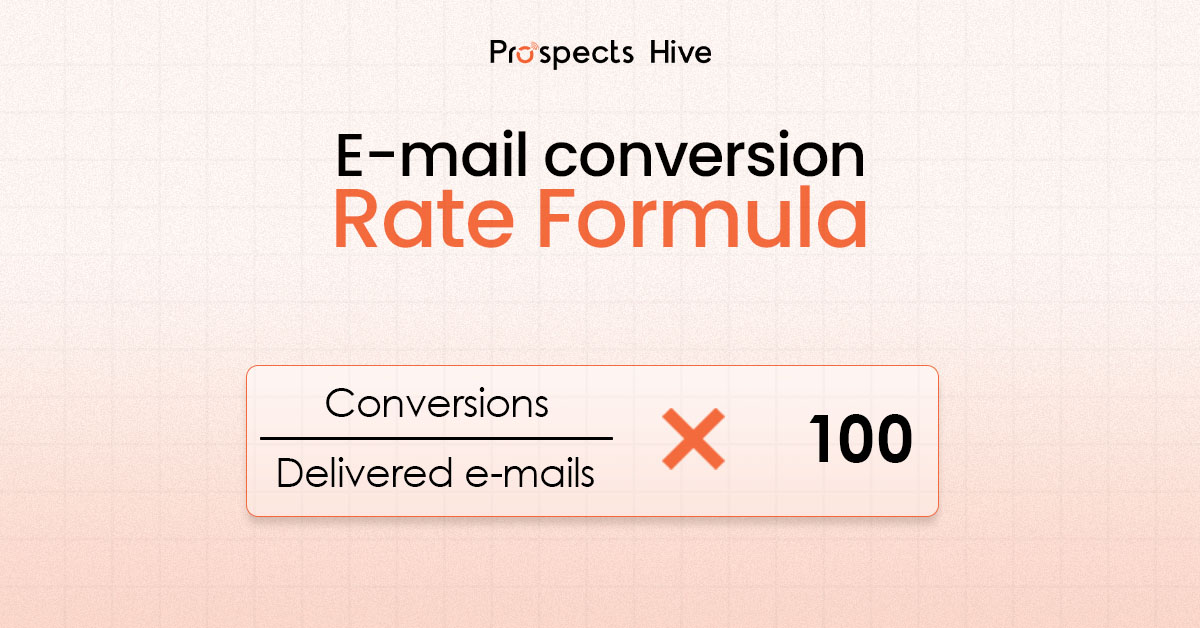
Formula for Email Conversion Rate:
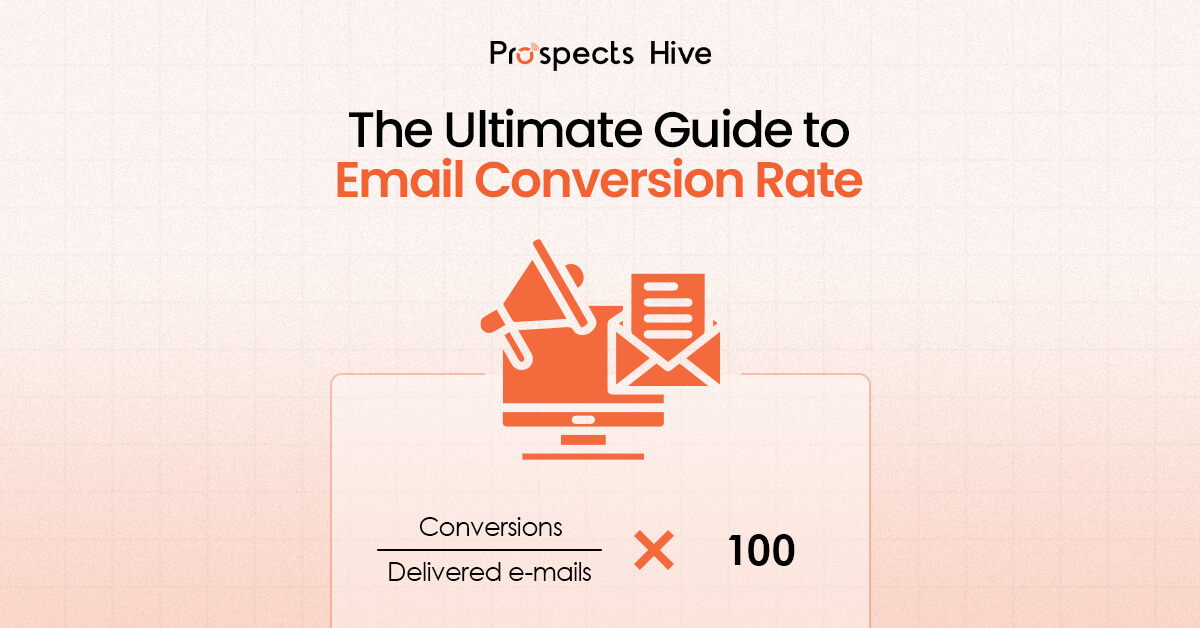
Email conversion rate = ( Conversions / Total Delivered Emails ) * 100
A higher conversion rate means your email campaigns are effectively engaging your audience and persuading them to take action. Well-segmented, personalized emails can see up to 760% higher revenue per email.
The Importance of Tracking Email Conversion Rate
Conversion rate is the “final step” metric. It tells you whether your email is producing real outcomes, not just activity.
Campaign Monitor puts it plainly: low opens suggest timing or subject-line issues, but low conversions may mean you need to reassess the campaign more broadly.
It also keeps teams honest across the funnel:
- If clicks are fine but conversions are low, you likely have post-click friction.
- If conversions drop suddenly, you may have a deliverability or list quality problem, not a copy problem.
What is a Good Email Conversion Rate?
A useful rule of thumb: a “good” conversion rate depends on your goal, your offer, and how you define conversion.
Unbounce cites Mailchimp, saying a good email conversion rate typically falls between 2% and 5% across industries.
2 things matter more than chasing a universal benchmark:
- Your email type: Automated flows usually convert better than one-off campaigns because they’re triggered and more targeted. Klaviyo notes that flow conversion rates are typically higher than campaign conversion rates for this reason.
- Your segment quality: the more relevant the audience, the higher the conversion ceiling.
If you want true “by industry” context, benchmark reports can help set expectations, but your best target is usually: beat your own baseline month over month.
How to Increase Email Marketing Conversion Rate
Increasing your email conversion rate requires a combination of strategic steps that align with your recipients’ behavior, interests, and needs.
Here’s how you can get started:
1. Improve Relevance First
Relevance is the largest lever you can pull to increase your email conversion rate. The more tailored the content, the better the chances of conversion.
Segmentation allows you to divide your audience into smaller groups based on factors such as lifecycle, interests, behavior, location, or even device usage. By doing so, you can deliver highly personalized content that resonates with each group’s needs.
For example, if you’re a B2B business, sending relevant offers based on the prospect’s industry or job title can dramatically increase engagement.
Emails that include personalized recommendations have a 29% higher open rate and a 41% higher click-through rate.
2. Clear Call-to-Action (CTA)
To drive conversions, ensure your email’s CTA is clear, direct, and easy to act on. It’s crucial to focus your email on a single main CTA to avoid overwhelming the reader.
Phrases like “Get the demo,” or “Download the checklist” are action-oriented and guide the recipient toward the next step.
Mailchimp reports that emails with a single CTA see a 371% higher click-through rate than those with multiple competing actions. Ensure the CTA is prominently placed, especially on mobile devices where real estate is limited.
3. Reducing Post-Click Friction
Often, the conversion rate breaks after the click, so it’s essential to align the email promise with the landing page. Your landing page should reflect the same offer and message from the email, minimizing distractions and maintaining consistency.
For example, if your email offers a downloadable guide, the landing page should immediately provide a clear option to download it, without unnecessary steps or confusing elements.
4. Testing and Optimizing for Better Results
Continuous improvement through A/B testing is essential for email conversion optimization. Test elements like subject lines, CTAs, and offers. Start by testing one variable at a time, so you can understand what truly drives conversion.
For example, BigSea found that testing subject lines in B2B cold emails can lead to a 56% higher response rate, just by tweaking how the message is framed. Testing helps you understand what works best for each segment of your audience.
5. Protecting Deliverability and List Quality
To maintain a high email conversion rate, it’s essential to manage your email list and protect your deliverability. A clean list reduces the risk of bounces and complaints, improving your sender reputation.
Managing your list effectively can increase your engagement rate by up to 35%.
Avoid spammy subject lines and regularly clean your list by removing inactive subscribers. This ensures that your emails reach an engaged audience, and your conversion rate remains high.
Conclusion
Improving your email conversion rate requires a holistic approach. Focus on segmentation, crafting a clear CTA, reducing post-click friction, and continuously testing your strategies.
Clean your email list, optimize for mobile, and personalize your content to drive higher conversions.
If you’re looking for help optimizing your email outreach and maximizing conversions, Prospects Hive can help with targeted email campaigns and personalized strategies. Contact us today to learn how we can boost your email conversion rates.
FAQs
1. What is the Average Email Conversion Rate?
Usually 2% to 5%, but it varies by industry, offer, and whether it’s a campaign or an automated flow.
2. Should I Track Conversion Rate Per Email or Per Campaign?
Track both, because one email can spike while the campaign still underperforms overall.
3. Is Email Conversion Rate the Same as Click-through Rate?
No, CTR measures clicks; conversion rate measures the completed goal action.
4. Does iOS Privacy Make Conversion Rate Tracking Unreliable?
No, it mostly affects opens; conversions are typically more reliable than open data.
5. What’s the Best Way to Compare Conversion Rates by Industry?
Use benchmark reports as a reference point, but compare against your own baseline first.
6. Do Automated Emails Usually Convert Better Than Newsletters?
Yes, triggered flows often convert better because they’re behavior-based and more targeted.